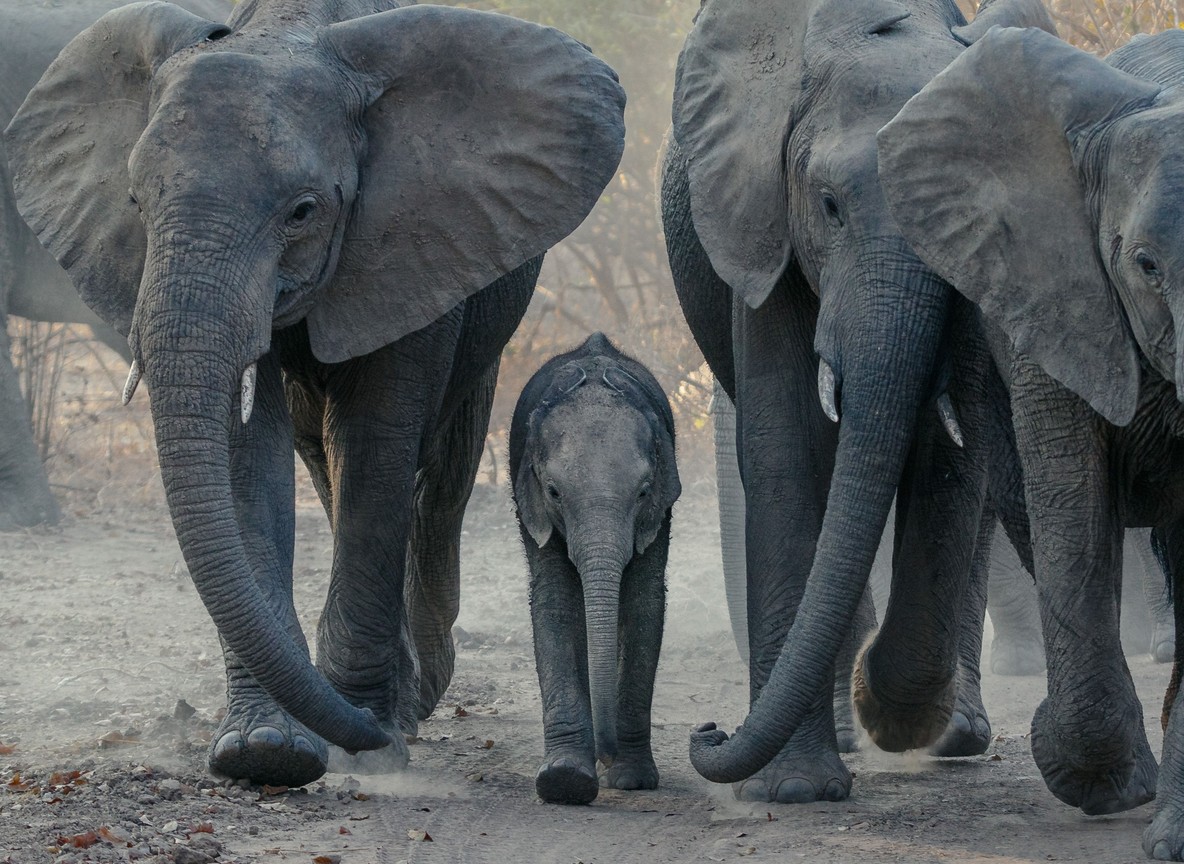
Kenya Wildlife Service confirmed that 14 to 15 elephants died in the wider Amboseli ecosystem between late June and late July 2026. News of the deaths has understandably worried travelers with trips booked. Touring Insights read through the official statements and news coverage so you do not have to piece it together yourself. Here is what investigators actually know, where the deaths happened, and what KWS has said about visitor safety.
What Happened in Amboseli This Month
KWS and partner researchers logged the deaths over roughly a month, most of them in the second half of July 2026. Ten of the elephants showed a similar pattern before dying: partial paralysis that left them unable to stand, followed by death within one to two days. The deaths mostly affected adult females and calves, with only one adult male among them. Investigators sent tissue and environmental samples to the Government Chemist and to a University of Nairobi laboratory for testing.
The Numbers Behind the Investigation
Early lab work flagged a possible toxin in some samples, but the Government Chemist’s first round of screening came back negative for the substances tested. That is not a contradiction. It means investigators have ruled out some suspects and are now testing others, including water sources the elephants use. KWS has not named a confirmed cause. The table below summarizes what has been verified as of July 29, 2026.
| Detail | Figure |
|---|---|
| Elephants confirmed dead | 14-15 |
| Reporting window | late June to late July 2026 |
| Elephants with paralysis symptoms before death | 10 of those confirmed |
| Suspected cause | toxin, unconfirmed; further testing underway |
| Government Chemist initial screen | negative for substances tested so far |
| KWS statement on human health risk | “no evidence of risk to human health” |
| Amboseli National Park operating status | open, normal game drives, no closures announced |
| Nairobi to Amboseli distance | approx. 215-240 km, 4-4.5 hr drive |
| Amboseli non-resident entry fee (indicative, 2026) | approx. USD 60-90 adult per 24 hr |
Where the Deaths Occurred, and Where They Did Not
This detail matters most for anyone planning a trip. The deaths were not concentrated inside Amboseli National Park‘s core game-viewing circuit. Most were reported at Kimana Sanctuary, on Kuku Ranch, and across community ranches roughly 15 to 30 km from the park boundary. These are conservancy and group ranch lands that border the park, not the fenced tourist core around Observation Hill and the swamps. Amboseli National Park itself has stayed open throughout, with no reported closures or restricted routes.
Is It Safe for Travelers? What KWS Has Said
KWS issued a direct statement on this point. The agency said there is no evidence of risk to human health. It also said whatever is affecting the elephants shows no sign of spreading to people. That distinction matters. A toxin that harms elephants through diet or a shared water source is a different situation than a contagious disease. Kajiado Governor Joseph Ole Lenku has pushed KWS for a faster, more public investigation. That kind of pressure is a healthy sign, not a red flag. It means officials are being held accountable rather than staying quiet.
What Investigators Are Testing Next
Five of the elephant carcasses were too decomposed by the time rangers reached them to yield useful samples, which is common in remote conservancy terrain during Kenya’s dry season. That gap is part of why KWS has not yet named a confirmed cause. Scientists are working through a short list of possibilities. These include naturally occurring plant toxins, agrochemical runoff into shared water points, and contaminated soil at salt licks. Amboseli’s dry-season ecosystem concentrates wildlife around a handful of swamps and water points, including Enkongo Narok. That is exactly why a shared environmental source is the leading theory.
A confirmed pathogen would behave differently. It would spread unevenly and affect a wider range of species, not just elephants sharing grazing and water access. KWS says it is coordinating with the Kenya Wildlife Trust and Big Life Foundation rangers, who already patrol this corridor. Those same rangers reported the earlier, unrelated deaths of super tuskers Craig and One Ton earlier in 2026. Both were confirmed as natural. They show how closely this landscape is already monitored.
Your Trip: Before the Investigation vs Now
Nothing about a standard Amboseli safari itinerary has changed on the ground. The table below compares what a typical trip looked like before this story broke against the situation as of late July 2026.
| Trip Element | Before Late July 2026 | Now (Late July 2026) |
|---|---|---|
| Amboseli National Park game drives | Normal operations | Normal operations, no closures |
| Camps inside or bordering the park (e.g. Ol Tukai Lodge, Tortilis Camp) | Normal bookings and activities | Unaffected, no reported guest impact |
| Kimana Sanctuary and Kuku Ranch conservancy drives | Normal operations | Increased KWS and vet surveillance in affected areas |
| Camp drinking and washing water | Municipal or borehole supply | Unchanged; investigators are testing wild water sources elephants use, not camp supply |
| Standard wildlife viewing distance rules | Enforced by guides | Same rules, guides briefed to flag unusual elephant behavior |
Should You Change or Cancel an Upcoming Trip?
Most travel advisors and tour operators are not recommending cancellations, and neither is Touring Insights. The park is open. Investigators lean toward an environmental toxin, not a contagious illness, and KWS has been explicit that human health is not at risk. If you have a trip booked, it is reasonable to ask your operator two things. First, which specific camps and conservancies does your itinerary cover. Second, does your guide have any updated route guidance. Travelers with Kimana Sanctuary or Kuku Ranch game drives on the itinerary should ask their operator for the latest word from their ground team before departure. That is normal due diligence, not a reason to panic.
Travelers who have not booked yet can use this window to ask sharper questions. Confirm whether your chosen camp sits inside the park boundary, such as Ol Tukai Lodge or Tortilis Camp, or out toward the conservancy side near Kimana. Ask whether your planned game drives cross into Kimana Sanctuary or Kuku Ranch, since those are the areas under closer KWS surveillance right now. None of this should change where you stay. It just gives you a more informed conversation with your operator. You will also get a clearer sense of what “affected area” means on a map, not just in a headline.
Explorer Notes
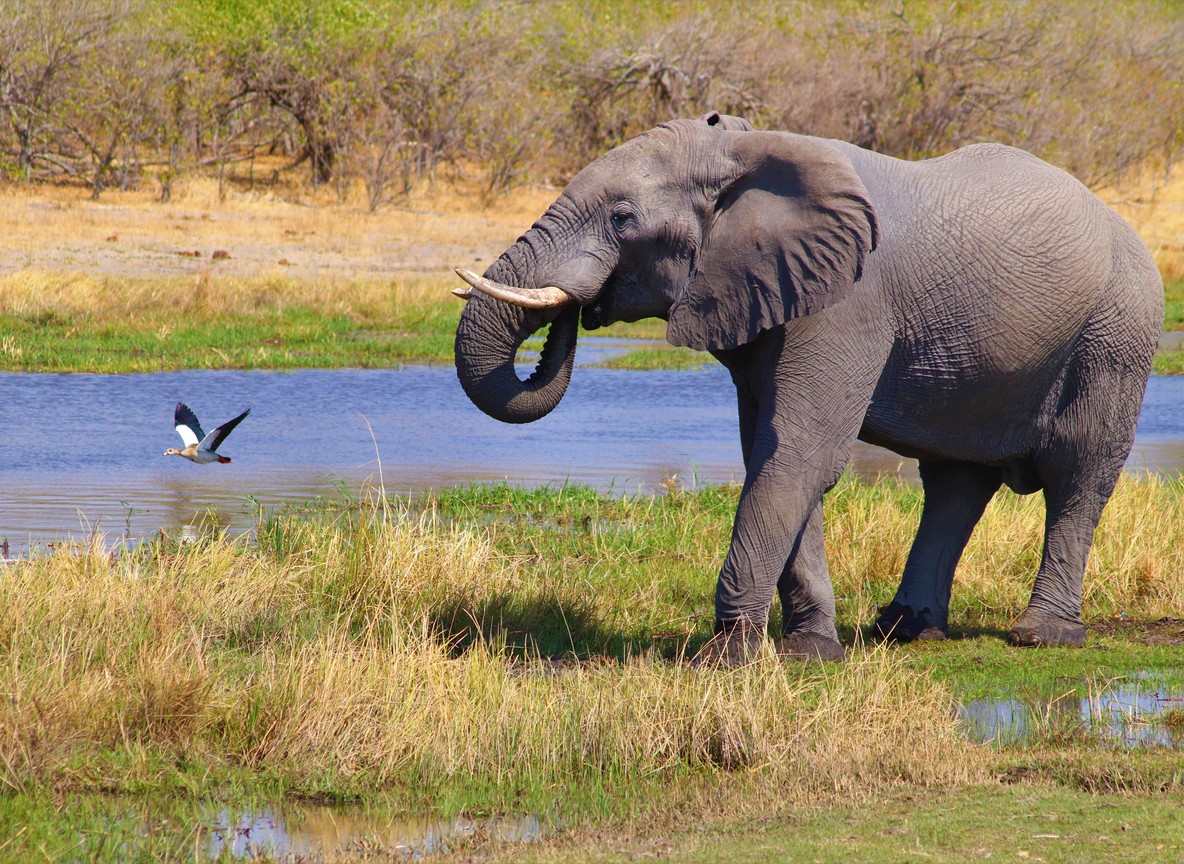
Ask your guide directly what they are hearing on the ground. Guides and camp staff often know about local KWS updates before they reach international news outlets. If your camp sits near Kimana Gate or on the Kuku Ranch side of the ecosystem, raise this question before you even leave home. Do not expect a scary answer. Most guides here are used to fielding wildlife health questions and will give you a calm, factual update. Keep your distance from any elephant that looks lethargic, is isolated from its herd, or struggles to stand. Experienced guides already practice this caution. It is sound safari etiquette at any time, since a stressed or unwell wild animal is unpredictable.
What to Read Next
- Amboseli Elephants: A Complete Guide
- Amboseli National Park 2026
- Best Time to Visit Amboseli
FAQ
How many elephants have died in Amboseli in 2026? KWS has confirmed 14 to 15 deaths in the wider Amboseli ecosystem between late June and late July 2026, concentrated in Kimana Sanctuary, Kuku Ranch, and nearby community ranches.
Is Amboseli National Park closed because of the elephant deaths? No. Amboseli National Park has remained open throughout the investigation, with normal game drives and no reported route restrictions.
Is it safe for humans to visit Amboseli during this investigation? KWS has stated there is no evidence the incident poses a risk to human health, and no indication that whatever affected the elephants can spread to people.
What is the suspected cause of the elephant deaths? Investigators suspect an environmental toxin, though this is not confirmed. Government Chemist screening has so far come back negative for the substances tested, and further tests, including of water sources, are ongoing.
Should I change my Amboseli safari booking because of this news? Most operators are not recommending changes. If your itinerary includes Kimana Sanctuary or Kuku Ranch, it is reasonable to ask your operator for the latest ground update before you travel.
This is a developing story, and Touring Insights will update this page as KWS releases more findings. For now, an Amboseli trip built around the park’s usual game-viewing circuit remains on track. Check the Tour Packages page for current Amboseli itineraries and ask about camp locations relative to Kimana Sanctuary if you want extra peace of mind.
Further reading
More safari planning resources
- Amboseli map and guide from SafariPure
- Map of Amboseli from Valley Safaris
- Amboseli National Park guide on Touring Insights
- Amboseli destination guide on FindMySafari
Related guides: Amboseli Day Trip vs Overnight Safari: An Honest Comparison, Kimana Gate vs Iremito Gate: Which Amboseli Entry Is Right for Your Trip?.